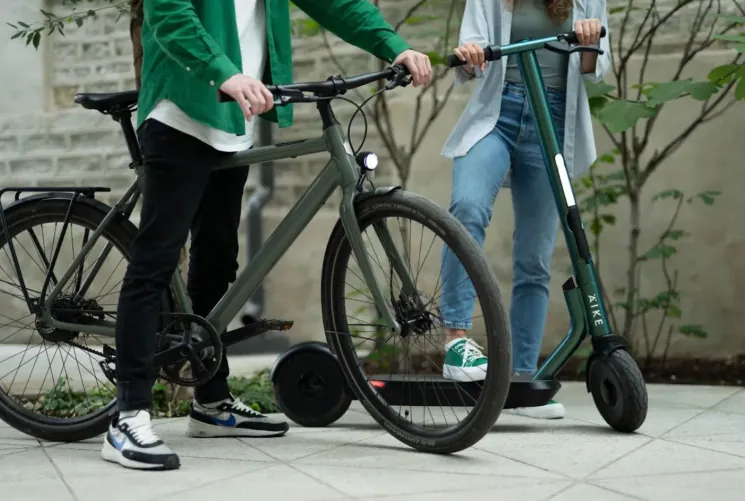
E-bikes have become the default choice for last-mile delivery in dense urban areas — manoeuvrable, low-emission, and well-suited to congested streets. Keeping them charged and in rotation is the operational challenge that gets less attention.
Where the friction shows up
Traditional plug-in charging is time-consuming exactly when delivery services can least afford downtime. Every minute a bike spends charging instead of moving is a minute of lost delivery capacity.
What wireless charging changes
No cords, no delay
Delivery personnel park at a designated station and charging starts automatically — no plugging in, no fumbling, no downtime beyond the stop itself.
Fast enough to keep pace with demand
Efficient power transfer keeps bikes charged and ready even during high-volume periods, so charging never becomes the bottleneck on a busy delivery day.
Built for the outdoors
Delivery fleets operate in every weather condition. Wireless charging hardware is designed to perform consistently through all of it, with fewer maintenance issues than exposed plug-in equipment.
What it adds up to
More delivery time, lower maintenance costs, and charging infrastructure that keeps pace with a fleet that never really stops moving — which is the whole point of last-mile logistics in the first place.