Wireless charging has moved fast in the last few years, but the myths about it haven't kept pace. Here are the five objections we hear most often — and what the evidence actually shows.
Myth 1: It's less efficient than plugging in
This was true a decade ago. It isn't anymore. Modern wireless power transfer systems routinely reach 90%+ efficiency, closing most of the gap with wired charging. The technology has simply matured past the point where this objection holds up.
Myth 2: It's too complicated to deploy
Positioning a vehicle precisely over a pad used to be the sticking point. Alignment tolerance has widened significantly since, and commercial fleets — buses, delivery vans, taxis — are proving to be the fastest adopters precisely because the deployment is simpler than people expect: no physical connectors, no cords, no plug compatibility to manage.
Myth 3: It only works with certain batteries
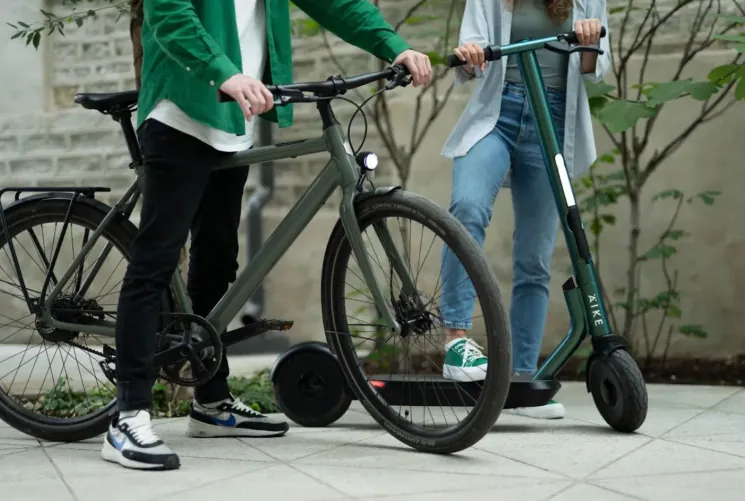
Wireless power transfer isn't picky about what's on the receiving end. The same underlying technology already charges phones, power tools, and vacuum cleaners — the principle scales cleanly up to e-bikes, scooters, and full-size vehicles.
Myth 4: It costs too much
Upfront hardware costs are real, but they're only half the picture. Wireless systems have fewer mechanical parts than plug-in stations, which means less wear, fewer breakdowns, and lower maintenance spend over time. Add smarter charging schedules that reduce energy waste, and the total cost of ownership tends to favour wireless over a multi-year horizon.
Myth 5: It's slower than plugging in
Early systems were genuinely slow, and that reputation has stuck around longer than the limitation did. Current-generation wireless charging delivers power at rates that are competitive with wired methods — the speed gap that used to justify this myth has largely closed.
The pattern across all five: wireless charging's reputation is running a few years behind its actual capability. That gap is exactly what we build to close.