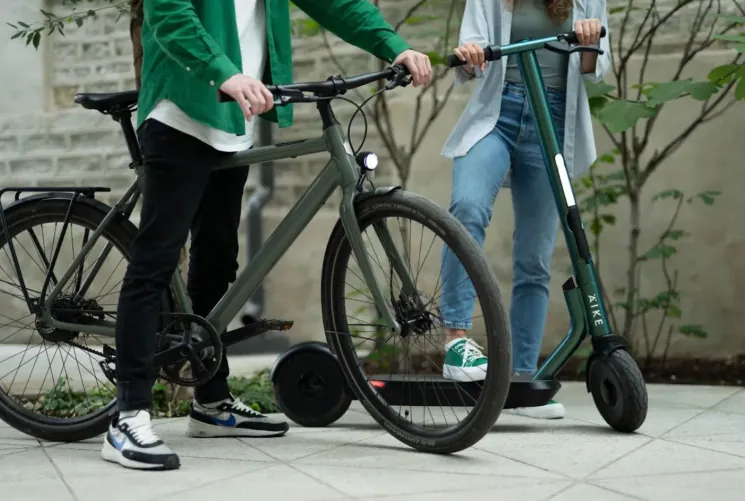
Bike sharing programs have become a fixture of urban mobility — flexible, low-emission, and genuinely useful for short trips. Their success depends on something less visible: whether a charged bike is actually there when someone wants to ride it.
The charging problem behind the scenes
Plug-in charging for shared e-bike fleets is slow and operationally heavy, often requiring manual handling in conditions that make it worse — leading to downtime, reduced availability, and frustrated riders who just wanted a bike that worked.
What wireless charging solves
Charging without the extra step
Bikes charge automatically the moment they're docked — no cords, no plugs, no additional action required from riders or operators.
Fast enough for high-demand stations
Efficient power transfer keeps bikes charged and cycling back into availability quickly, even at stations with heavy turnover.
Reliable through real urban conditions
Built to withstand daily outdoor use, wireless stations keep performing regardless of weather — which means fewer maintenance callouts and more consistent uptime across a fleet.
Why it matters for ridership
Riders who consistently find a charged bike come back. Reliable charging infrastructure isn't a background detail for bike share programs — it's the thing that determines whether the program actually gets used.